



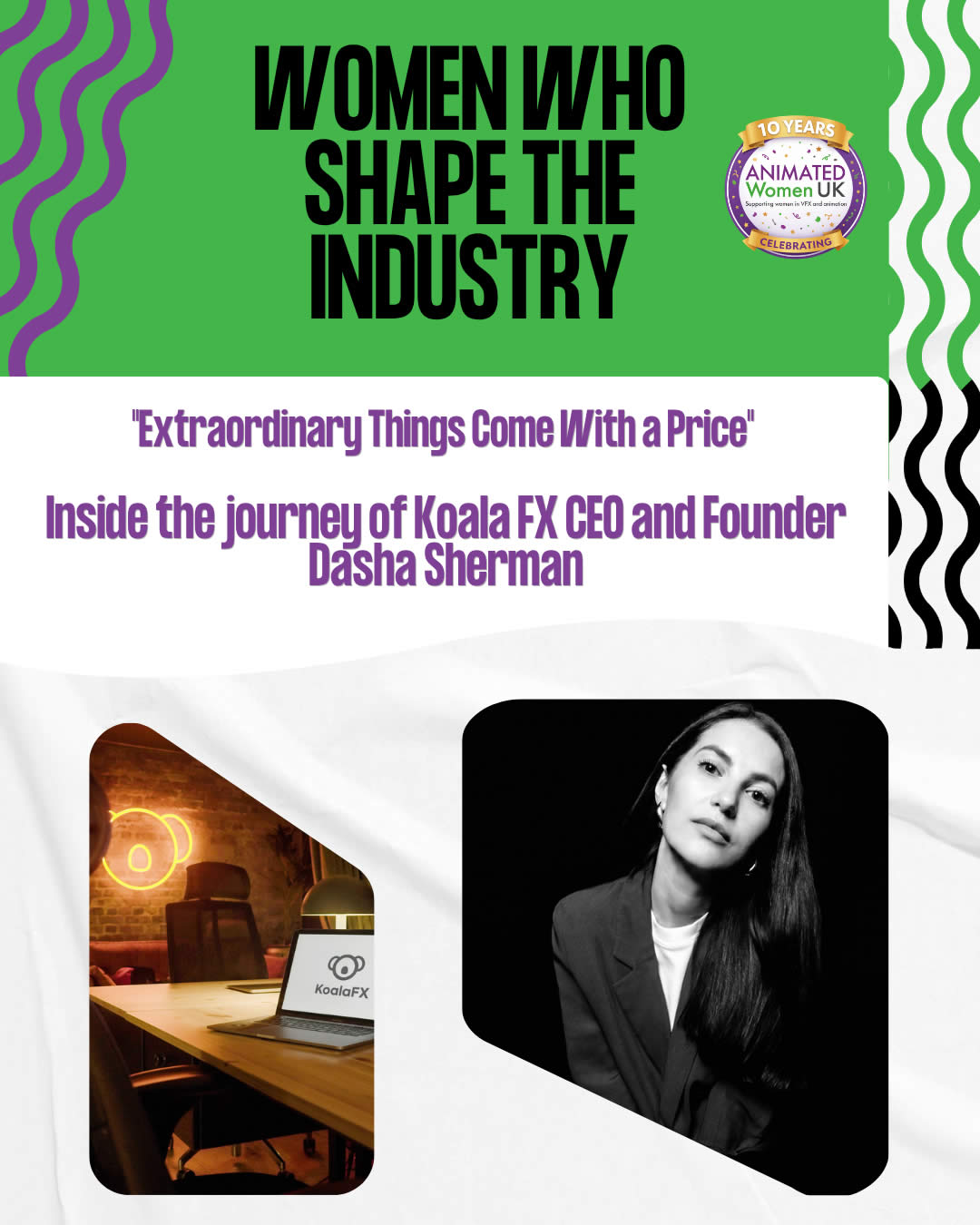
Can you tell us who you are and how did your journey through three countries and film school and all those amazing projects that you touched on along the way get you to the UK?
I was born in Russia - half Russian, half Jewish. My parents moved to Moscow when I was two. They had nothing - my dad was selling everything from air to sugar just to survive.
Until I was about 20, I was there finishing my first master's in Documentary directing, working in TV and hoping to tell important truthful stories.
Did being in Moscow push you towards filmmaking?
At some point, my dad started earning money after the 90s. He hustled hard and managed a proper middle-class life.
Therefore, my dad really wanted me to study something profitable - accounting, law, something with a direct path. It's very difficult to imagine someone earning money making films or working in the film industry at all. Less so in Russia.
My mom was the opposite. Her side of the family are creatives. She did work for a while as a documentary director. So I had this example in front of me. For me, it was like a protest. The fact that I was so determined to study directing - it was me proving to my dad that the values are not in the material world but in truth. I wanted to be that storyteller!
Working in Russian TV taught me something harsh: there's no tomorrow and no real truth. When I moved into editing, I had to finish edits on the tube, cutting out specific bits, bring the hard drive, hand it over to someone who'd download it to the server, and it would go live an hour later. That's a brutal way to start!
I had nothing in common with the worldview of Russian society anyway. It felt like a rehearsal, not life. So by the end, I wanted out.
How did you go from Moscow to Germany to then here in the UK?
I went to Berlin for the first time when I was around 20. During my final year in Russia, still working on TV and already tired of it, I came across an English-speaking film school in Berlin. After visiting, I realised it was my dream place - all about freedom. No anxiety in the air.
But Berlin wasn't a happy marriage, I found myself procrastinating. I thought, my university is also in London, so I'll just transfer from my bachelor into a master's in Feature Film directing.
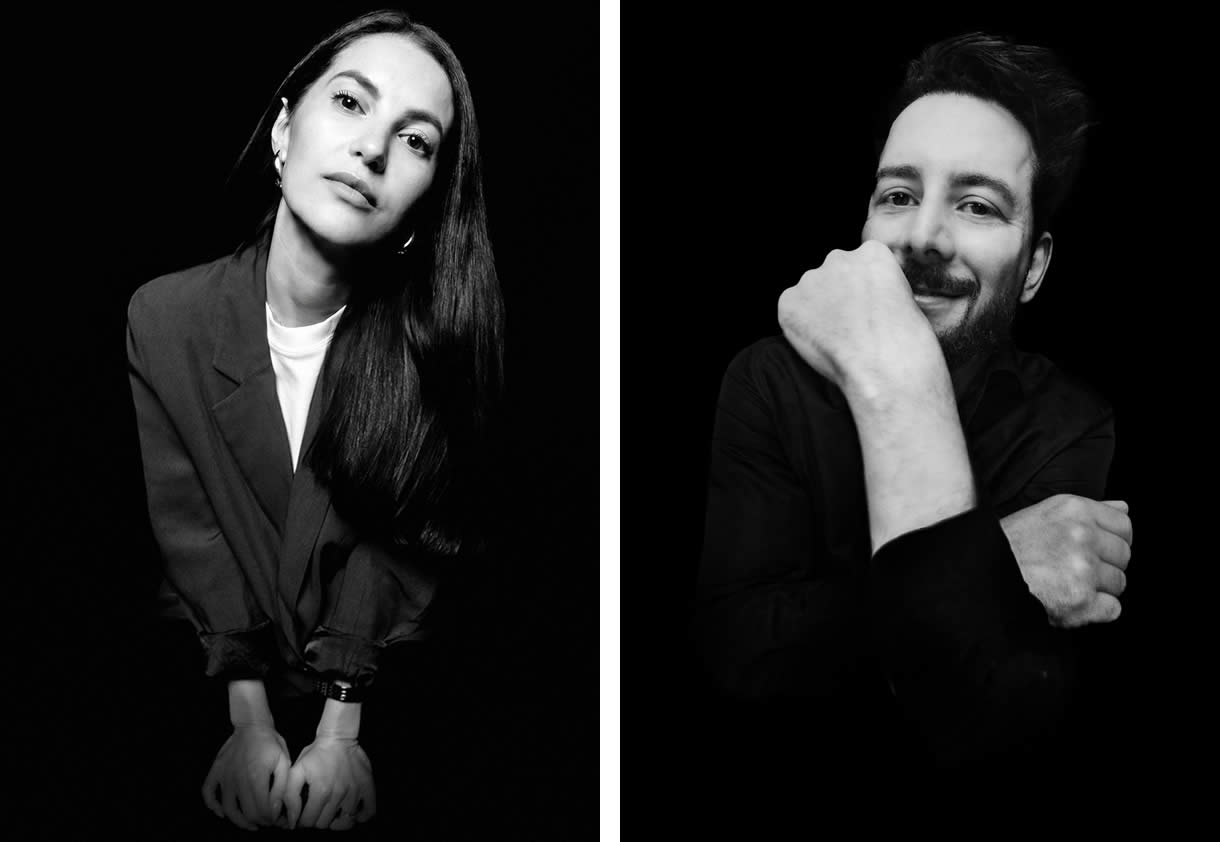
It clicked straightaway. That was the life! The people were different - a mixed crowd, all with the same agenda: make films.. The most valuable thing I gained was like-minded people. Needless to say, I met my future husband and co-founder of Koala FX, Menelaos Pampoukidis, in Met Film School in London
It was not love at first sight. He's Greek, amazing and intelligent, but comes across like he's always right! However, his technical and visual storytelling was so advanced, that I thought we should be friends! We were both very passionate about films - could stay up all night discussing scripts, arguing, debating. That romantic image of how you fall in love when you study? That was our story.
So what came after college?
A friend came across an advert in indeed.co.uk looking for a photo tagging person - junior position, Russian and Ukrainian speaking, history knowledge a plus. The project involved the Soviet era. I didn't know what I was getting into.
I had the first interview and my now best friend was interviewing me. After 45 minutes, she was like: oh, come on, let me introduce you to the director - Ilya Khrzhanovsky.
He didn't even talk to me about photo tagging! I was talking about producing, arranging things - how I arranged everything. Every time I wanted to film something, I produced it. I think he spotted that.
I started watching DAU as part of the interview process. For a week, I just watched films and he asked me what I thought.
The moment I saw the first film, I realised: there's nowhere else in the world where I want to be, no matter what I'm going to do here. This is pure art. This is what the world needs!
I just couldn't believe that I accidentally ended up being able to see something like that!
So you won't really have known what DAU was going into the interview. For context, DAU is a long-form film project that documented people's lives over years - cameras rolling on real moments, relationships, divorces, births. How would you have described the project after the interview?
The word that comes to mind first is genius. It felt like giving birth to a new world - beyond film. Cameras watching people living their lives, having children, divorcing - all on camera, naturally. A true documentary on the edge of it. Something I couldn’t dream of back in the days while studying documentary.
But the amount of impact it had on human psychology and consciousness, the questions it was raising - to this day, I think it's a huge loss that it hasn't been released in a proper way. The form hasn't been found.
On the second day, they had 700 hours of unedited footage - the rushes - needing post-production as online content. That was this huge mountain.
The amount of final edits is beyond understanding. We had 370 versions of every final edit - final conform, final visual effects, final grade, final everything - reconformed 370 times, per film.
I was on the project for four years. There were at least 3,200 shots that needed visual effects. I knew Menelaos could do stuff in Photoshop and After Effects, so he came onboard.
When we eventually finished our journey on DAU, we didn't know a single person from outside of Piccadilly 100. We couldn't say a single word about DAU because of NDAs.
So how from there, when you finished - you don't know anybody in the industry. You've amassed this department. Seems like all the pieces are coming together to start Koala VFX.
The idea of Koala was definitely Menelaos's idea.
I became post-production supervisor of the London office - responsible for DAU Digital, films and series. I was 23. The whole post-production had become 130 people altogether.
Menelaos was a supervisor of the department. No one knew we were a couple because I didn't know what the rules were. I just thought maybe it's better that way, especially because I was his boss.
We were constantly recruiting, but people kept coming and going - we didn't pay much. Some people stayed from beginning to end though. Those four warriors formed the first group. About two years before we finished on DAU, we started talking about setting up the company.
We'd solved something that's normally extremely expensive and difficult - but we'd done it so much simpler. Menelaos was eager to push the idea that I should capitalise on that, because he's a visionary but cannot produce himself whatsoever.
Menelaos plugged this idea into my head, but there was no space at that time. The only thing I could tell him was: just go away with your ideas.
DAU finished for me in Paris. The release happened, post-production kind of stopped. There was no money anymore on the project, so they let people go. The office was taken into pieces.
They owed us some money from DAU - both salaries to me and Menelaos.
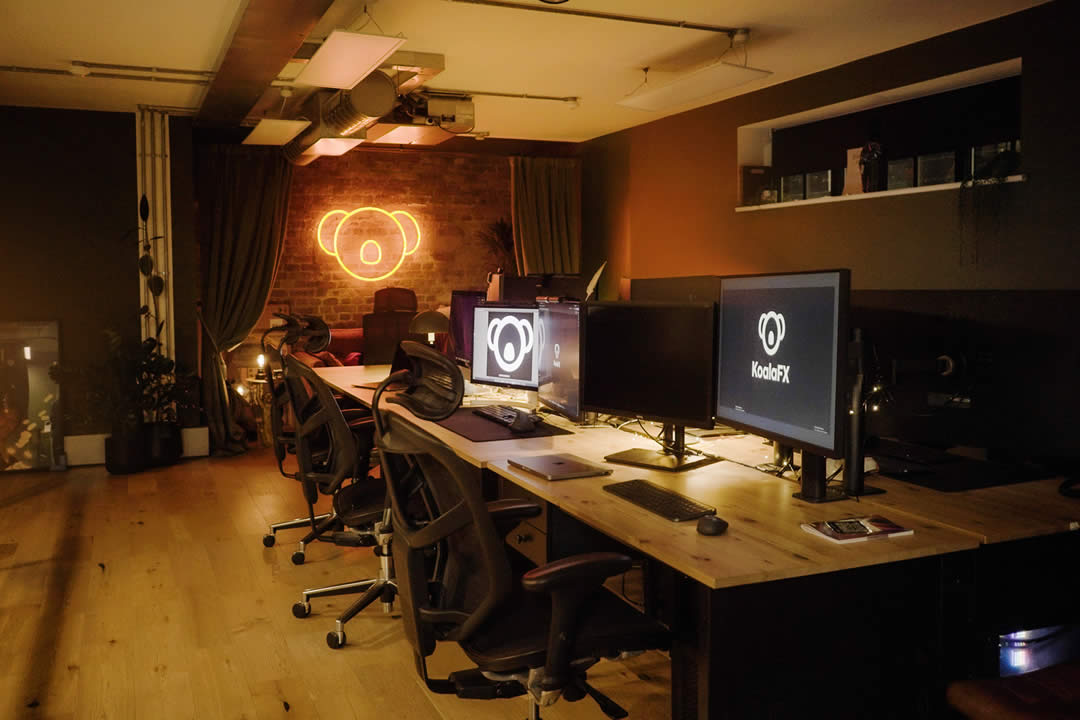
When we got our first tiny job, we asked them to not pay us so instead we could occupy one room. The only floor which was still working was the sound floor, and it had those sound-isolated rooms. They were small. We took a room where two sound-dialogue editors used to sit. We could also take the computers from DAU.
That's how it began.
You had already set your company philosophy - 'we don't do effects, we make films'. Was that the ethos from day one?
Yeah, that was absolutely.
Menelaos has two masters in directing, the same as me. Neither of us worked in VFX companies before. We're both cinephiles loving indie, deep art house, culturally impactful films.
When Menelaos watched the first DAU film, he said: I understand why you're here. I'm going to be here too! It felt like a cult, but it was very sincere. All you had to do was watch.
So when we were thinking about visual effects, what we did on DAU was help tell something meaningful with technical tools and smart thinking. These tools are essential - they wouldn't work without them. But they serve the story.
Before we started Koala, I hadn't watched a single blockbuster. I was watching only something impactful. A movie's true moment is when people go to the cinema or watch at home to experience feelings, emotions. Not fascinated by green screen compositing.
I was really surprised by how young the company is and how much you've achieved in the last number of years. How has that journey been from those tiny projects to these incredible feature films, which is what you said early on was what you wanted to work in?
You've made me shiver here.
It's only been six years but in my mind it's always: oh my God, it's already six years, we're nowhere.
What you see being the managing director and creative director and co-founders of the company is the constant problem-solving, insecurities, absolute maximisation of your imposter syndrome.
The difference between Menelaos and me - I think that's why it worked - is because I say yes to everything, and I actually mean it. I knew, after DAU and Paris, that if someone brings me a need, I'll fulfil it. Even so, I'm taking risks every time.
When we were asked to do cleanups for Shawn Mendes in Wonder, we didn't have anyone on payroll - just me and Menelaos at home with no office. We had £5,000 as prepayment to buy what we needed.
But I knew one thing which helped a lot - being professional partners and husband and wife. Having a person next to you 100% believing in you, reminding you daily that you are extraordinary. We were constantly there for each other with this default knowledge and love. I don't know how we would have survived without it.
The progression from small to big doesn't really feel that much because it's the same people we've been working with. The first four years, it was all about climbing. You never look down, you always look up. It always seemed like it's not enough. Perfection, postpartum syndrome, just general misbelief that you can create something which can sell itself.
I don't think I was really even able to process the business we had built and what it was worth. I think it happened only when we got to work on Trap House with Signature Entertainment, and we got to work with Johnny Depp, first director's debut in a film about Modi.
We also decided to get married eight years after we were together - it was the same summer.
We crossed the turnover we'd never crossed before. We overdid our financial forecast by a year. That was the first time since the very beginning of Koala when I took official holidays for two weeks. I actually didn't check my emails and my WhatsApp. Nothing went wrong.
And that was the moment when Diana (our now Head of Production and a Project Manager back in the days) was left alone for the first time to run the company. Upon my return, things had just kept going. I couldn't believe it!
That was the moment when I realised that I'd done something which can live on its own and not die instantly.
Then I looked down and I saw that there are some heights which we've climbed.
What has it been like, being a female CEO in a male-dominated VFX space?
The interesting thing about being a woman in a male-dominated industry is that unless you actually know you're a woman - which sounds funny because how can you not - you don't understand how it's shaped you.
I wasn't acknowledging it at all. But I had a funny story about that recently.
I was supposed to have a board meeting with my minority shareholders in February. But for the whole January I was sick - some sort of COVID, then asthenic syndrome where you can't get out of bed.
Then in February, when I'd just recovered, my cycle kicked in. It was exactly the day we scheduled our board meeting!
I sat in front of my phone trying to write a message. I wanted to say: you know what, I'm really sorry, I have to ask you to reschedule, because I'm not feeling well. I struggled because I'd been sick for a month and didn't want to mislead anyone into thinking it was the same thing.
But then I got so furious. If I was pregnant and said I'm feeling dizzy, men would say: of course, of course, let's reschedule. But I cannot write: I'm on my period, I'm in pain, it happens to me every month. I'll be fine tomorrow. Why is it not socially acceptable? It's more natural than birth, to be honest. You can choose not to give birth.
The next day we implemented a designated day a month where anyone who identifies as a woman is entitled to work from home. No meetings. No explanation needed. Just inform people. That's it!
Of course, I wouldn't say it ever helped to be a woman. You don't understand it in the moment. For example, in certain meetings you typically are the only woman in the room and sometimes you leave it feeling unheard. So you question your professionalism, nothing more. But at some point I started asking myself: did I say anything stupid or meaningless in my opinion which wasn’t worth hearing? And the answer was no. . Maybe it's because I'm a woman. I catch myself with those things often. 90% of the time I'm in a meeting with all men.
Some men are ashamed around women. At VFX gatherings, introverted men try to avoid looking at you if you wear heels, makeup. So I wear sneakers, jeans, t-shirts - totally unisex. I am not even touching on the aspect of being a young woman and being socially considered an “attractive” woman… This is worth another article.
I'm scared of wives being jealous because I'm a woman around men. And I don't want to be the reason something happens in someone else's mind that affects my professional reputation.
And this is another side no one talks about. We talk about harassment - the obvious stuff. But no one talks about the fact that some men prefer to have business meetings with men just because they're attracted to the woman and don't want the temptation. Even if she's not trying to tempt anyone. She's just doing her job.
And it's the exact opposite for men. If they're charming, you don't care if they're married. They'd be flattered. They don't think that woman will go home thinking her husband won't be happy about the meetings. It's a different beast.
That's where it becomes tricky for me.
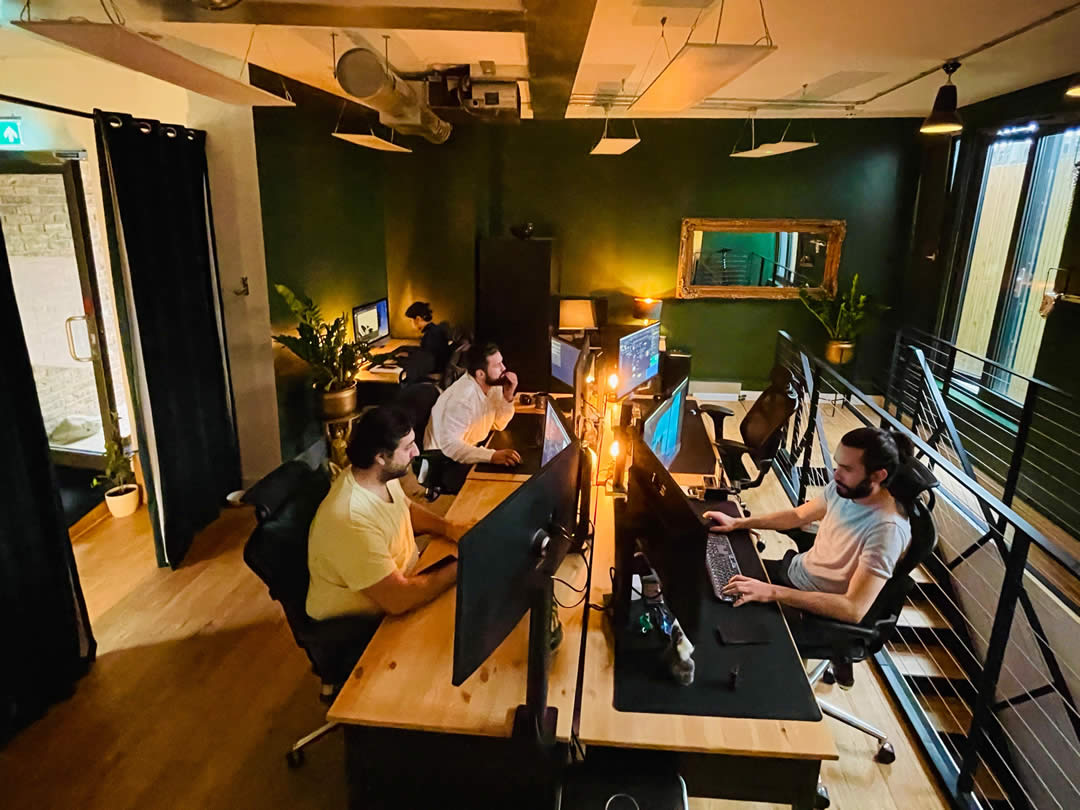
Koala, for instance, started with me and three guys. Then more men joined. And more. I was very much alone for a year.
But I definitely noticed a change within Koala as more women came on board. First and foremost, the studio felt more alive. This industry is quiet and people are introverted. When they're men and introverted, that's double trouble.
The women we have are less tech-oriented and more management and director side. Menelaos is able to do what he does only because women around him are selling his talent and manage him from beginning to the end. I used to be the only one doing it when we started - now our whole Management department is female. And it’s beautiful! . Otherwise men would look right and forget the left exists.
The more women we employed, the more productive we became. When I felt I could step away from myself, that's when I felt I'd actually done something.
Diana changed everything - took over internal communication so I could focus on sales. Victoria is head of HR. Antonina, just turned 20, fought for her place and grew.
Within the company, everyone feels safer, more alive, and produces more. I don't believe in work-life balance when you love what you do. It is all life - you don’t suddenly stop living at work. And if you do - there’s something fundamentally wrong.
You're a member of Animated Women UK. What drew you to the organisation, and what do you think communities like this offer women in the industry?
It was only when I started exploring that I discovered Animated Women UK. I met Louise at a BFC gathering, and she told me about the community. And I was like: that exists?
Louise is pretty much the centre of the visual effects world. She is ILM itself.
I was fascinated and happy to find out that it exists. What drew me in is that you're creating a space where women can be visible and connected in an industry that's still very male-dominated. That matters.
What is one piece of advice you wish someone had given you earlier?
I'd say: be cautious of things you find normal which are extraordinary, because they usually come with a price. And it's okay to pay that price. But with the right help, it's a little bit easier.
What I mean is psychological support, medical support. To be hormonally a woman and in a position where you're responsible for yourself and so many others, it's not natural. It does break. Our psyche isn't trained for this kind of load. We can do boxing and Pilates, but we still get periods. So when you look at men, it seems like they're fine - they sleep five hours and function. If I don't sleep for one day, I'm destroyed.
Why are you so anxious all the time? Maybe because you need help. Maybe because what you're doing is extraordinary, and you should take responsibility for what price it comes with. Maybe there is a limit.. And it is okay!
That's probably the hardest thing to learn. When you're a leader, it comes with a price. You pay it with your psyche, your body, your life choices such as motherhood - and it hurts. So don't think you can do it all. Help is okay. Medical, psychological, physical whatever - it's okay not to be the most powerful when it comes to yourself. We are equals as humans but we are not the same.
My hope is that when people read this, they realise they're not alone in this. Because it's so unspoken about. And only in connection with someone's specific story can you think: oh wow, she also feels that.
What's next for you and Koala FX?
Koala VFX is not the end goal. Visual effects is an extraordinary tool, but it's not the essence. When we conquer the technical, we can enable things to happen.
We make sure there's nothing to fix in prep because everything is pre-planned. If you want us on the stage when you write the script, take us there.
With AI, visual effects has been this weird field no one understands and everyone's scared of. But it's enabling a lot of things to be more approachable. When the price of visual effects can be compromised with these tools, things become possible we haven't imagined. A sci-fi drama - just a couple going to Mars, the drama between them - that's not possible now because the environment costs 200 million. But it could be.
We built this company to be nimble. When new things come in, they unlock new possibilities. We're working with AI partners and have the same vision for where this is heading. Inevitably, from day 1 it’s always been about storytelling for us, so we move closer to the heart of it with some of the best tools on the market and respect for true experiences.
This site uses Cookies to ensure the best experience. By continuing to use this website you agree to their use. To learn more please visit our Privacy Policy.